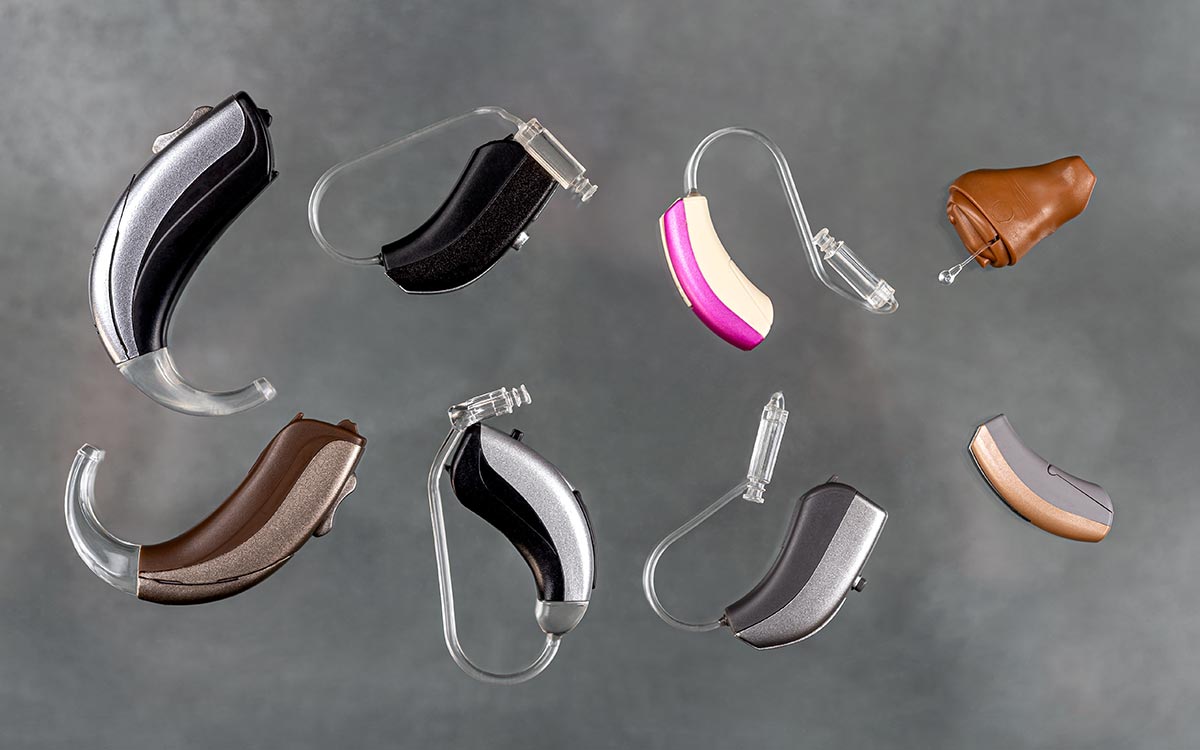
Choosing a hearing aid can feel daunting, especially when today’s units come in so many styles, sizes, and technology levels. Fortunately, there is an ideal hearing solution for every individual, regardless of their lifestyle or the severity of their hearing loss. It’s just a matter of finding it!
Feeling positive about your choice begins with knowing how different hearing aids function and compare. In this breakdown, we glance at current styles and the unique characteristics that define them.
The ITC (In-the-Canal) Style Detailed
Basic Summary:
ITC models are custom-fitted to sit within the ear canal, though a small part of the shell remains visible in the ear’s outer portion.
The Perks:
- Provides an understated look compared to traditional styles
- Custom-molded for ease
- An effective option for those with moderate hearing needs
ITC devices offer an excellent equilibrium between visibility and functionality, making them a popular choice for first-time users.
Invisible-in-Canal (IIC) Hearing Aids
Core Characteristics:
IIC models are the most miniature custom-fitted hearing solutions you can choose. This style rests deep in the ear for an entirely covert appearance.
Primary Incentives:
- Highest level of discretion for the wearer
- Strategic placement allows for a very organic listening experience
- Designed for comfort with a highly small footprint
IIC devices are mainly aimed at those with moderate hearing needs who want their technology to remain completely unnoticed.
Understanding In-the-Ear (ITE) Devices
The Fundamentals:
These models occupy either the full or bottom half of the outer ear bowl. Every unit is specifically personalized to match your ear’s unique shape.
Value Offering:
- A slightly larger casing houses advanced tech and more powerful batteries
- Easier to manage for those with dexterity challenges
- Effective for an extensive spectrum of hearing impairments, ranging from mild to severe
Many people pick ITE devices because they provide an integrated, self-contained design that doesn’t hook over the ear.
Behind-the-Ear (BTE) Hearing Aids
Summary:
These devices rest on the external portion of the ear’s anatomy. These models use a custom earmold or tubing to direct sound inside.
Common Motivations:
- Known for being exceptionally adaptable and robust
- Provides a wide selection of amplification suitable for nearly any user
- Offer space for advanced features and rechargeable batteries
BTE devices are an excellent choice for individuals seeking reliability, ease of use, and strong amplification.
The RIC Style Breakdown
Mechanical Arrangement:
The RIC design keeps the main body behind the ear while moving the receiver into the ear canal itself.
Why users select them:
- Highly organic sound quality
- Compact, feather-light, and comfortable
- Flexible enough to address an extensive range of hearing impairments
The combination of design and high-end functionality makes RIC models an ideal choice in the modern market.
Understanding Extended-Wear Solutions
Overview:
These devices are placed far in the ear canal by a hearing professional and can stay in place for several weeks at a time.
User Motivations:
- Provides an effortless journey with no daily maintenance required
- Offers an entirely covert solution for hearing health
- Engineering enables them to stay in the ear during all facets of daily life
If you want an auditory solution that requires zero daily thought, the extended-wear style is perfect.
Smart Hearing Aids with Bluetooth
Operation:
Connectivity-focused hearing aids that use Bluetooth to integrate with your digital life.
Digital Advantages:
- Turn your hearing aids into wireless earphones for all your favorite audio
- Provides an unobtrusive way to manage your hearing environment from your mobile screen
- Provides the ultimate in ease for those who use smartphones regularly
Bluetooth features are accessible across many styles, including RIC, BTE, and some ITC models.
Middle-Ear Implants
Procedure Info:
A surgically implanted device that physically vibrates the middle ear bones to amplify sound.
Why implants are used:
- Provides a solution for patients with anatomy that prevents the use of conventional aids
- Solves the issue of ear discomfort caused by regular hearing aids
Middle-ear implants are usually suggested only after a full evaluation by a hearing specialist.
Selecting Your Ideal Hearing Solution
Every hearing aid style provides its own advantages, and the right option depends on your level of hearing loss, comfort preferences, lifestyle, and cosmetic considerations. A hearing professional is your best resource for evaluating these options and finding an ideal choice for your daily routine.
If you’re prepared to investigate the possibilities, schedule an auditory evaluation today. It is the most significant step you can make toward a more vibrant and confident life.
Sources:
https://www.mayoclinic.org/diseases-conditions/hearing-loss/in-depth/hearing-aids/art-
20044116
https://www.hearinglife.com/hearing-aids/types
https://www.nidcd.nih.gov/health/hearing-aids
