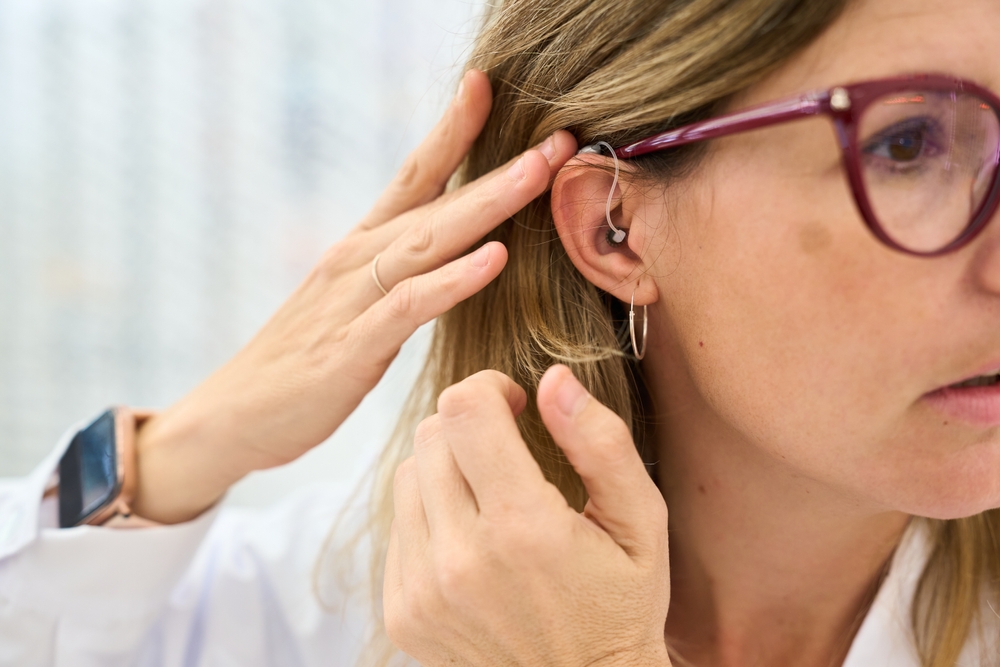
Many people delay getting hearing aids because they don’t think they’ll like how they look or feel. In past generations, primitive auditory devices were heavy, highly visible, and frequently viewed as an embarrassing marker of advanced age. Furthermore, many individuals harbored deep anxieties about social isolation, fearing others would exclude them from discussions based on assumptions of cognitive decline or profound auditory deficits.
This obsolete perception remains deeply embedded in the public consciousness, creating a massive barrier to proactive treatment. In reality, the sophisticated hearing instruments of the present era deliver a look and feel that shatters these old assumptions. Revolutionary breakthroughs in micro-component miniaturization and ergonomic design have rendered these devices incredibly compact, ultra-lightweight, and virtually unnoticeable.
If cosmetic anxiety has caused you to delay treating your hearing loss, it is highly recommended that you evaluate the sophisticated options now available.
Dispelling the Myth: Modern Devices Have Transcended Older Styles
If you close your eyes to conceptualize a hearing system, your mind likely crafts a picture of a prominent, cumbersome unit draped behind the ear. If that is the visual you hold, you are fundamentally remembering outdated medical equipment from decades past.
Over the last few generations, this medical technology category has experienced a total structural evolution. Unprecedented breakthroughs in microchip architecture, material sciences, and digital signal processing have utterly revolutionized modern aesthetics. They’re smaller, sleeker, and designed to blend in (or disappear entirely).
A multitude of current designs fit entirely inside the physical ear canal, ensuring they remain hidden from view during normal social encounters. Different configurations sit comfortably behind the ear but feature such a low profile and featherweight build that observers naturally miss them.
Primary Hearing Aid Styles, From Invisible to Barely There
If you are curious about the structural choices available for your rehabilitation, here is an accessible overview of current styles:
Deep Canal Solutions: Invisible-in-Canal (IIC)
This specific configuration offers the highest degree of user discretion. The IIC style fits exclusively within the deep internal canal and is built using a custom impression of the patient’s ear passagographic anatomy. Spoken interactions at arm’s length occur without anyone realizing a medical device is present. This configuration is highly favored by individuals managing mild-to-moderate auditory drops who demand total aesthetic secrecy.
Modern Standards: Receiver-in-Canal (RIC) / Receiver-in-the-Ear (RITE)
This architecture stands as the most frequently prescribed configuration in modern clinical practice. The system utilizes an incredibly small housing resting behind the ear, linked by a hair-thin translucent cable to a miniature speaker within the ear pathway. From an aesthetic standpoint, they look very similar to trendy consumer tech or modern bluetooth monitors. The vast majority of peers will fail to perceive the apparatus unless conducting a highly deliberate close-up inspection.
Behind-the-ear (BTE)
While these models house all electronic components within a casing resting behind the pinna, their dimensions are drastically reduced compared to legacy models. Clinically indicated for profound or severe hearing deficits, they deliver immense acoustic power without the outdated, conspicuous mass of the past.
The bottom line is simple: modern assistive hearing systems are crafted to serve your life quietly, not to draw attention to your ears.
Advanced Features: Beyond Aesthetics to Smart Technology Integration
The changes in modern hearing aids aren’t just cosmetic. In the current era, these processors operate like sophisticated wearable computers rather than simple analog sound amplifiers. Many variants integrate high-speed Bluetooth protocols, allowing you to route phone calls, podcasts, or multimedia audio straight to your ears without external headphones.
Most come with smartphone apps, so you can adjust volume or switch settings without ever touching the device. For instance, when entering a highly reverberant dining space, you can suppress ambient acoustic noise and sharpen speech clarity in mere moments. Rechargeable batteries have also replaced the tiny ones people used to struggle with. Users simply place their instruments into a charging cradle before sleep, mirroring standard smartphone maintenance routines.
Overcoming the Psychological Barriers to Better Hearing
Despite being aware of these massive design improvements, it is entirely normal to feel a sense of hesitation. Exploring hearing aid options can be challenging on a mental and emotional level because it’s an admission that our hearing isn’t what it used to be. This can make us feel helpless and like we aren’t fully in control of what’s happening to our bodies.
Let’s reframe this narrative completely: acquiring a modern acoustic instrument is not an admission of weakness. They are simply tools for managing standard lifecycle changes, which are a normal part of the human experience. They’re proof that you’re taking action to support and equip your body in essential ways.
Consider the profound joy of wearing a tiny, unnoticeable device that lets you confidently command group discussions, master noisy environments, and immerse yourself in what matters most. This is the definition of true personal empowerment!
Experience Contemporary Hearing Technology Firsthand
The easiest way to let go of that outdated mental image is to check out for yourself what’s available. We warmly welcome you to tour our practice, consult with our audiologists, and review our product lines with absolutely no financial or purchase obligations. Treat this as a risk-free exploratory step to comprehend the incredible aesthetic shift that has occurred in our field.
The overwhelming majority of our patients leave their consultation thoroughly amazed by the compact scale, luxurious comfort, and acoustic clarity of current technology! Call our office to schedule your visit online today.
