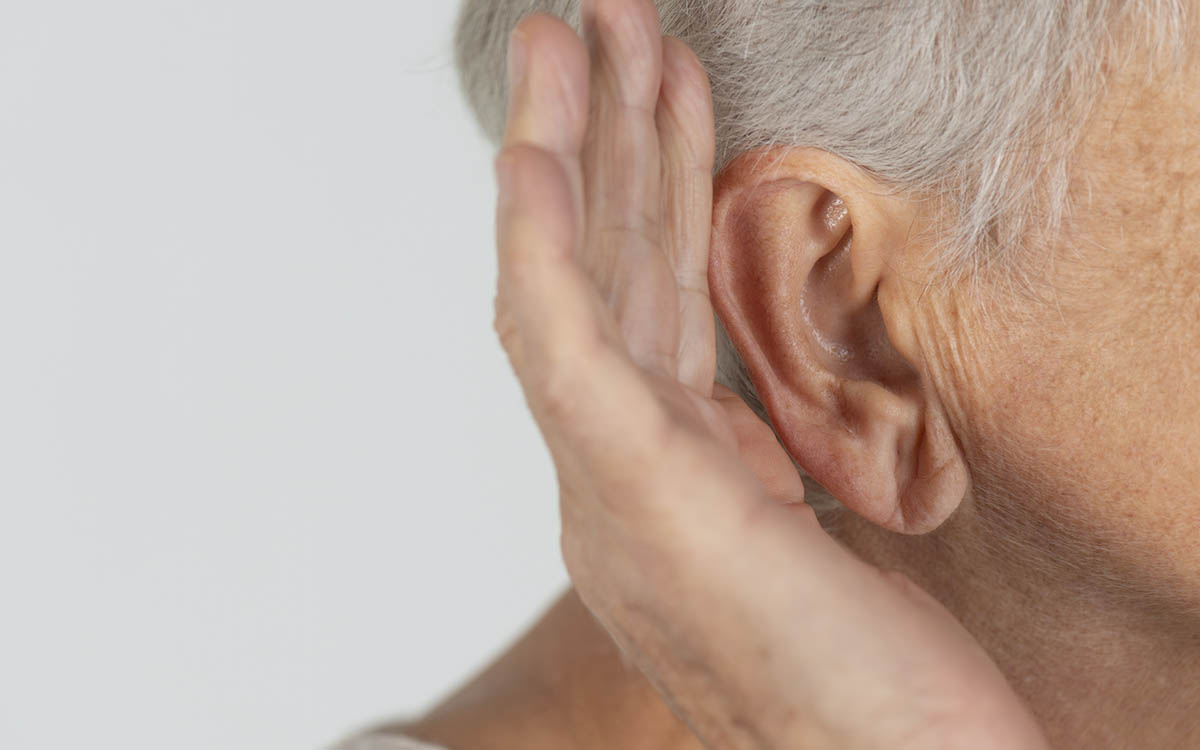
While many individuals correlate hearing loss to senescence, but for millions of Americans, physiological damage begins at a younger age. As one of the most prevalent and avoidable types of auditory impairment, noise-induced hearing loss typically progresses slowly, advancing subtly and remaining undiagnosed until the clinical effects are permanent.
An objective understanding of noise-related auditory impact over time facilitates proactive protection before substantial hearing loss manifests.
Identifying the Clinical Indicators of Noise-Related Hearing Loss
This form of hearing loss is precipitated by excessive acoustic energy damaging the fragile internal structures of the auditory system. Data from the CDC indicate that, acoustic levels surpassing 85 decibels can induce ear damage following repeated or lengthy exposure. Louder sounds, like those from concerts, power tools, or firearms, can cause damage in minutes or even seconds.
The inner ear contains microscopic sensory receptors known as hair cells. The function of these cells is to transduce mechanical vibrations into neural impulses for cerebral processing. The inability of hair cells to regenerate after trauma explains why noise-induced hearing loss results in a permanent auditory deficit.
Analyzing the Incremental Progression of Ear Damage
It is clinically significant that noise-induced hearing loss often manifests through a slow, cumulative process. Initial signs of auditory overexposure may present as:
- Occasional instances of Tinnitus, characterized by ringing or buzzing sounds
- Sensations of dampened or muffled auditory perception following noise exposure
- Impaired speech discrimination in the presence of background noise
The cessation of these early symptoms often leads to the false perception that the auditory system has fully healed. Actually, subsequent noise events continue to degrade internal ear structures, steadily eroding hearing precision.
The Hearing Loss Association of America reports that approximately 48 million Americans experience some degree of hearing loss, frequently with unidentified etiology.
Frequent Environmental Sources contributing to Ear Injury
The prevalence of loud sounds in daily life often results in a dangerous desensitization to harmful noise levels. Due to this, the commonality of injurious sound exposure often goes unrecognized.
Typical noise-generating sources consist of:
- Live music venues and concerts
- Personal audio devices utilized at excessive decibel levels
- Lawn equipment, power tools, and motorcycles
- Industrial workplace environments such as warehouses and construction sites
The everyday occurrence of these sounds allows for progressive damage to develop without obvious warning.
Why Proactive Safeguards Are So Important
A distinguishing factor of noise-induced hearing loss is the lack of clinical reversal options. However, it is highly preventable. Adopting straightforward preventative behaviors can markedly decrease the likelihood of injury, including:
- Employing earplugs or specialized earmuffs during high-decibel exposure
- Modulating audio output levels and observing 60/60 rule constraints
- Taking listening breaks to give your ears time to recover
- Arranging for routine Audiology assessments if noise exposure is frequent
Guidelines for Seeking Hearing Screenings
The presence of chronic Tinnitus, impaired speech recognition, or altered auditory clarity warrants a professional Audiology consultation. Prompt clinical evaluation is vital for tracking auditory status and formulating effective hearing preservation plans.
Implementing protective measures today safeguards your auditory capacity for the years ahead. Environmental sound may be constant, but the development of hearing loss is not inevitable. Contact our team today to schedule a consultation and make sure you’re hearing your best.
