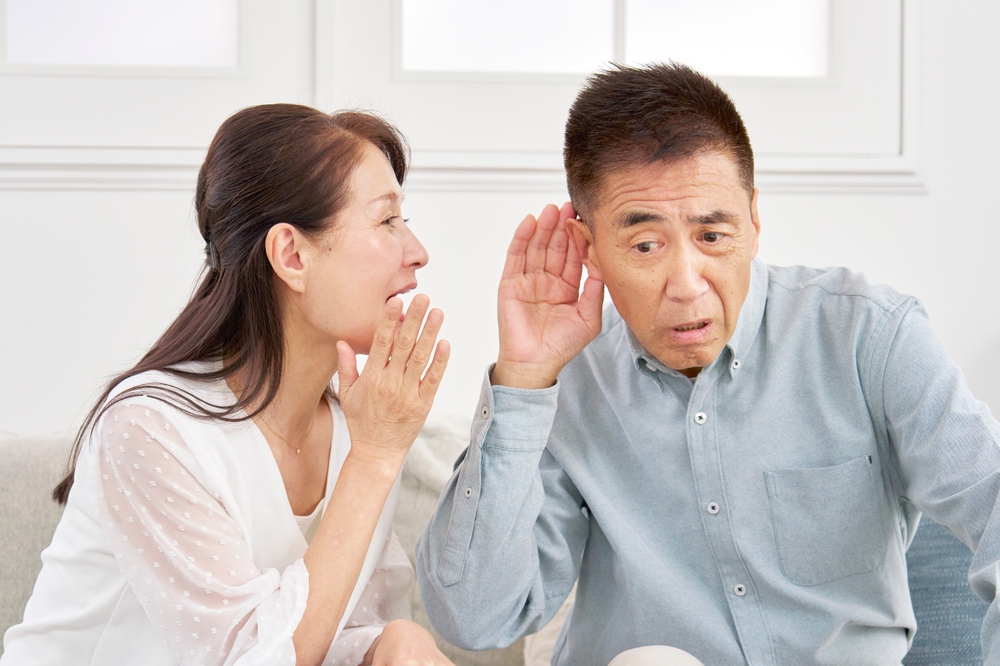
Prevalent myths regarding hearing loss frequently act as a barrier to necessary audiological treatment. Early diagnostic accuracy is essential for anyone experiencing the onset of hearing loss. Accepting hearing myths as fact typically results in late-stage intervention and diminished communicative function.
Identifying the facts behind auditory health allows you to navigate clinical options with technical certainty. Let’s take a closer look at seven hearing loss myths that deserve to be clarified, along with the truths that put them in their place.
Myth One: Auditory Decline is Strictly Age-Related
Although aging affects the ears, hearing loss is not exclusive to the elderly population. Auditory challenges in children and young adults often stem from noise pollution, heredity, or pharmaceutical side effects.
Viewing hearing impairment through an age-restricted lens delays diagnosis for millions of younger individuals.
Myth: Hearing Perception Rules Out Impairment
Clinical hearing loss exists on a spectrum and rarely results in immediate total silence. In fact, many people with mild or moderate hearing loss can still hear sounds, but they struggle to understand speech clearly. Between perfect hearing and total hearing loss is a wide spectrum of hearing challenges.
Early symptoms frequently manifest as “cocktail party effect” struggles or a need for constant clarification from speakers. Failing to address these subtle changes can lead to long-term communicative difficulties.
3. Myth: Hearing Loss Is Simply an Inconvenience
The ramifications of unmanaged hearing loss extend far beyond simple conversational struggles. Data shows that failing to treat hearing issues can lead to brain atrophy and emotional health challenges.
Proactive hearing care is a vital component of maintaining cognitive health and emotional stability.
Myth: Amplification Devices Accelerate Ear Damage
The fear that hearing aids weaken the natural ear is a persistent but medically unfounded myth.
Digital hearing aids are designed to protect and support the ear, not injure it. They provide customized amplification that fills the exact deficits revealed during your professional assessment. In many cases, using hearing aids can help the brain stay engaged in processing sound, supporting long-term auditory health.
Myth Five: The Aesthetic Stigma Fallacy
Current hearing tech leverages micro-circuitry to achieve high performance in small packages. Contemporary hearing aids deliver elite processing power within incredibly discreet housings. Patients can now choose custom-molded options that sit deep within the ear canal for total discretion.
Modern tech includes advanced directional microphones and wireless streaming directly to the patient’s ears.
Why Even Mild Hearing Impairment Requires Attention
Don’t underestimate “slight” hearing changes; they still disrupt the natural flow of information to the brain. Addressing loss early eliminates listening fatigue and protects against chronic mental exhaustion.
Early clinical action ensures that the brain’s auditory processing centers remain sharp and functional.
Why OTC Devices Often Fall Short of Clinical Needs
While some over-the-counter hearing devices may provide basic amplification, they are not customized to your specific hearing profile. A professional hearing evaluation ensures that treatment is tailored to your individual needs.
Personalized care makes a significant difference in both comfort and clarity.
Your Path to Clarity: Rejecting Common Hearing Fallacies
Feeling anxious about hearing changes is normal, but avoidance only exacerbates the underlying problem. Auditory fallacies act as roadblocks to the treatment that could change your life today. Fortunately, a modern hearing test is a non-invasive, efficient process that yields vital health data.
If you’ve noticed changes in your hearing (even subtle ones), a professional assessment is an important first step. Seeking help sooner rather than later preserves both your social life and your neurological sharpness.
Our practice is dedicated to your auditory wellness; reach out to us for a comprehensive review. Contact our office today to schedule your personalized hearing consultation.
