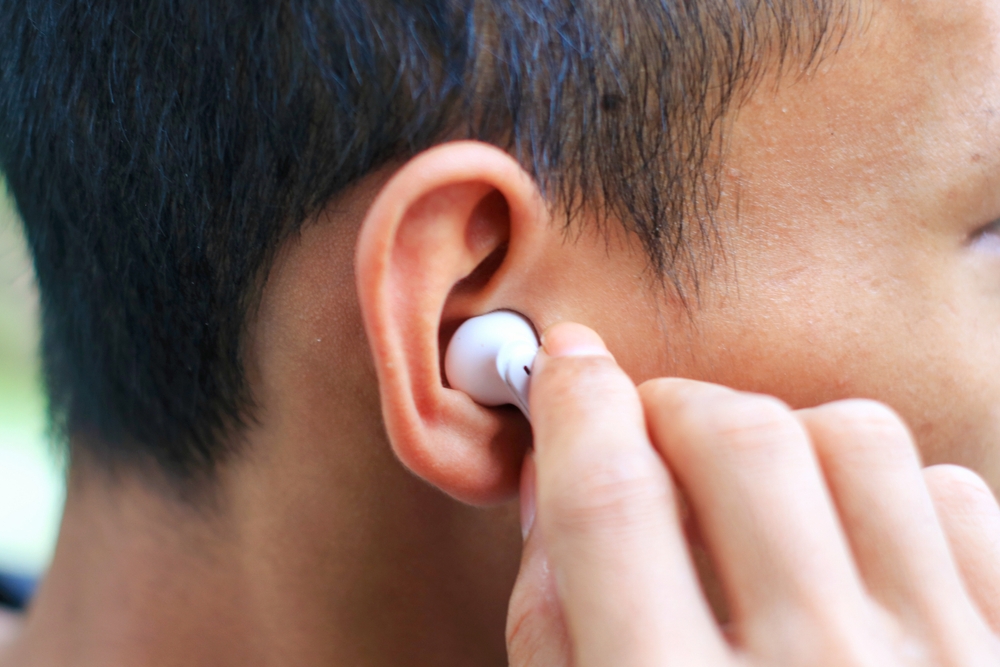
In modern public spaces, the sight of a young person without some form of in-ear audio is rare. Headphones are a bit more cumbersome, but teens still find them a way to escape from their surroundings. Musical enjoyment knows no age limit, though the younger generation has integrated it more deeply into their daily transitions. This leads to the clinical question: can the proximity of these devices to the ear canal trigger permanent auditory damage? Clinically speaking, the hardware is not the culprit; rather, the risk lies in human behavior and exposure levels.
The Biological Threshold of Auditory Exposure
The psychological impact of music varies, serving to calm the nerves, provide emotional solace, or increase physiological arousal. Depends on the music. Utilizing personal audio devices is considered a social courtesy, allowing for private enjoyment in communal spaces. That’s a positive thing, and most people will tell you that they are grateful and prefer that on a train or bus.
The primary clinical concerns center on the precise limits of sound pressure and the length of the listening session. The truth is, loud noise in general is damaging to your ears and your hearing. When you listen for too long a time and at a very loud volume, you can irreparably damage your hearing. Hearing loss occurs gradually, so by the time you realize what’s happening, it may be too late.
The Biological Impact of High-Intensity In-Ear Audio
High volume stands as the most significant threat to the preservation of hearing sensitivity. However, the duration of the exposure matters as much as the volume.
- According to the NIH, maintaining a threshold below 70 dB ensures safety, even during extended listening periods.
- There is a direct correlation between increased sound pressure and the speed of hearing degradation.
- Audiologists recommend the 60/60 rule: stay below 60% of max volume and limit sessions to one hour.
- Taking control of your volume slider and managing your time is the best defense against hearing loss.
Warning Signs of Hearing Loss
If you commonly hear muffled sounds, find it difficult to understand conversations in noisy places, have ringing in your ears (tinnitus), and frequently ask people to repeat what they said or to speak louder, it’s time to have a hearing exam with a professional.
If you suspect a decline in your hearing, contact our office to begin a professional diagnostic process.
