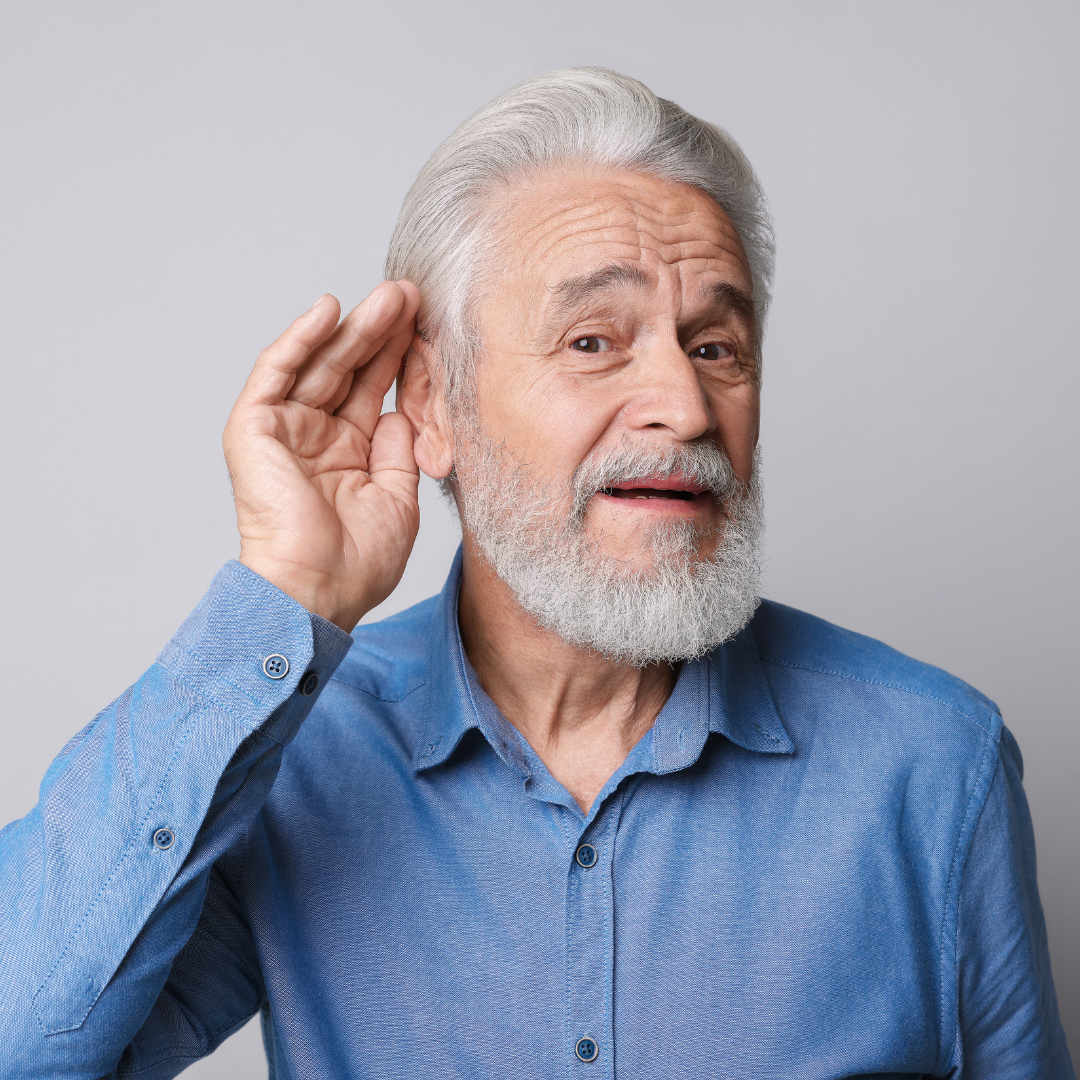
An abrupt decrease in unilateral hearing acuity can feel alarming, often leaving individuals uncertain about what action to take. Our clinical team conducts same-day diagnostic hearing evaluations and streamlines collaborative medical care following sudden auditory changes. Rapid-onset sudden hearing loss mandates swift clinical attention from an audiologist or physician to explore prompt treatment or auditory rehabilitation.
Is Sudden Deafness in One Ear Considered a Medical Emergency?
Yes. A sudden hearing loss affecting one ear must be addressed as a true medical emergency, especially if it unfolds across hours or several days. Sudden sensorineural hearing loss (SSNHL), frequently referred to as sudden deafness, stems from pathology within the cochlea or the auditory nerve pathways. It generally arises in the absence of pain, causing individuals to mistakenly assume their ear is simply plugged or congested.
Key presenting symptoms include:
- A sharp, noticeable drop in auditory volume or speech clarity in one ear
- Difficulty processing telephone audio when switching the device to the affected ear
- An audible popping sound or intense feeling of aural fullness preceding the auditory decline
- Newly acquired tinnitus presenting as high-pitched ringing, clicking, or roaring in that ear
- Co-occurring vestibular symptoms such as room-spinning vertigo, lightheadedness, or unsteadiness
Never postpone clinical evaluation while waiting to see if hearing improves on its own. Contact us, an urgent care clinic, or an ear, nose, and throat specialist for same-day guidance.
The Urgency of Immediate Professional Evaluation for Sudden Deafness
Timely clinical evaluation is critical because therapeutic interventions for sudden sensorineural hearing loss demonstrate the highest success rates when started early. Our immediate task involves verifying whether the impairment is conductive due to wax or middle-ear effusion, or sensorineural originating within the sensory organ or auditory nerve. Even though conductive blockages and neural losses present with similar symptoms, they demand radically distinct medical protocols.
A thorough physical ear inspection combined with a diagnostic hearing test isolates the exact type, audiometric shape, and severity of the loss.
Go to an emergency medical facility immediately if sudden hearing loss presents in conjunction with:
- Acute facial nerve weakness, asymmetrical drooping, or numbness
- Impaired speech articulation, profound cognitive confusion, or an intense new headache
- Acute visual disturbances, fainting spells, or marked ambulatory unsteadiness
- Acute angina (chest pain) or any secondary indicators of systemic vascular crisis
Such clinical signs strongly suggest an acute stroke, neurological event, or vascular emergency that must bypass routine clinical scheduling.
What Triggers Sudden Deafness in a Single Ear?
For the vast majority of patients with sudden sensorineural hearing loss, the exact etiology remains idiopathic. If an underlying cause is identified, it typically entails tissue inflammation, physical injury, microcirculatory failure, autoimmune disease, or specific cochlear nerve disorders.
Recognized pathological triggers include:
- Inner ear viral pathogens or severe bacterial infections
- Mechanical head injury or sudden exposure to high-intensity blast noise
- Diagnosed autoimmune disorders affecting the inner ear sensory systems
- Ingestion of ototoxic pharmaceuticals known to compromise inner ear structures
- Problems involving blood flow
- Structural inner ear diseases, notably symptomatic Ménière’s disease
- Central neurological pathologies including multiple sclerosis
- A benign neoplasm such as an acoustic neuroma along the hearing and balance nerve
Given that subjective symptoms cannot distinguish between these conditions, rapid clinical evaluation and audiologic testing are vital.
How Is Sudden Sensorineural Hearing Loss Treated?
Corticosteroids are a common treatment when sudden sensorineural hearing loss has no clear cause. They may be taken by mouth or delivered through the eardrum into the middle ear, where the medication can reach the inner ear. Our clinical team outlines therapeutic options tailored to your specific case, factoring in symptom latency, severity of the loss, comorbid medical conditions, and medication tolerances.
Corticosteroids are generally deployed within the initial two-week therapeutic window, and beginning as early as safely permitted is essential. Intratympanic steroid injections may also be recommended as salvage treatment when recovery is incomplete. Under appropriate circumstances, an ENT specialist might suggest adjunct hyperbaric oxygen therapy paired with clinical steroid treatments.
The Reality of Spontaneous Recovery in Sudden Hearing Loss
It is clinically possible for sudden sensorineural hearing loss to improve without active medical care. Roughly half of individuals with the condition experience spontaneous partial or complete auditory recovery, primarily during the initial two-week period. Even so, clinicians cannot reliably forecast at the start who will recover, the extent of hearing restoration, or whether recovery will be permanent.
Hoping for spontaneous recovery does not justify waiting or postponing clinical intervention. Treatment becomes less likely to reverse permanent loss when it starts weeks after the change, so waiting may close an important treatment window. Clinical outcomes encompass total functional recovery, partial restoration of thresholds, or minimal auditory change.
What If Hearing Loss in One Ear Doesn’t Respond to Treatment?
When medical therapy fails to restore hearing, secondary strategies are determined by residual pure-tone thresholds, word-recognition performance, and diagnostic rule-out testing. Diagnostic protocols may involve scheduling a cranial MRI scan or performing an auditory brainstem response test to inspect the auditory nerve and brainstem pathways.
Advanced long-term management strategies feature:
- A conventional hearing aid if diagnostic testing confirms sufficient, aidable residual hearing
- A Contralateral Routing of Signals (CROS) hearing system that wirelessly routes sound from the non-functional side to the healthy ear
- A surgical or non-surgical bone-conduction device for medically appropriate clinical candidates
- Cochlear implantation for medically and audiologically eligible candidates presenting with single-sided deafness (SSD)
- Dedicated assistive listening technology engineered for challenging workplace, classroom, or group conversations
Structured audiologic rehabilitation directly targets listening fatigue, binaural sound localization deficits, and functional communication breakdowns. The optimal clinical choice is guided by diagnostic hearing test findings, individual acoustic environments, medical background, and personal lifestyle objectives.
Schedule an Urgent Hearing Assessment
If your hearing changed suddenly today or within the past few days, seek same-day medical guidance rather than waiting for a routine visit. We provide immediate diagnostic hearing evaluations, analyze bilateral auditory thresholds, review symptom chronology, and collaborate with an ear, nose, and throat specialist or medical provider.
Contact our clinic without delay to request a prompt hearing evaluation.
