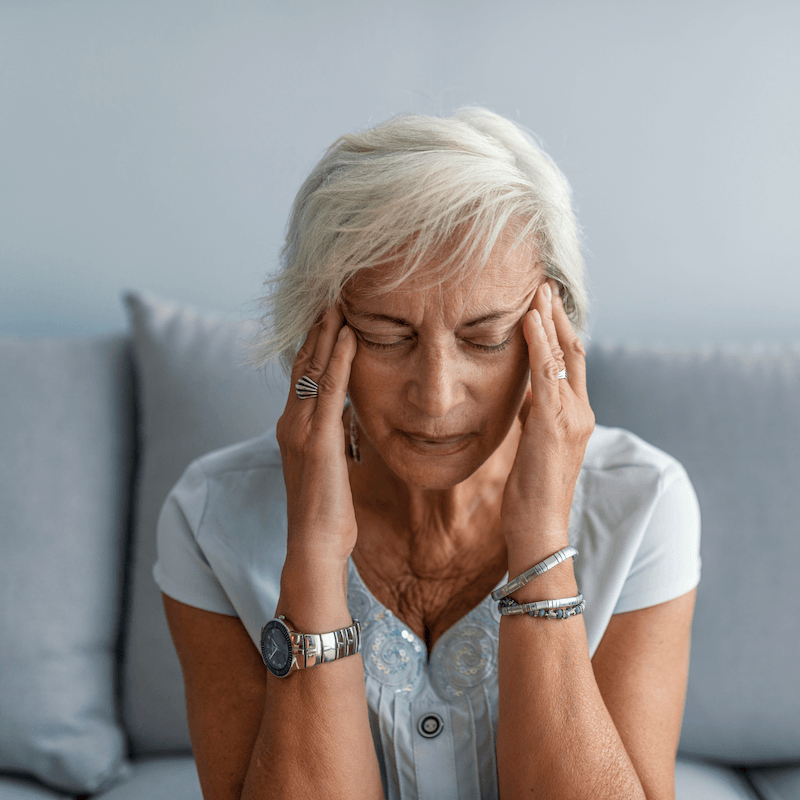
A migraine condition does not always cause debilitating head pain; in clinical reality, a vestibular migraine targets balance function, motion perception, and spatial awareness. Our otolaryngology practice evaluates ongoing dizziness episodes to differentiate vestibular migraine from other balance disorders. Navigating targeted migraine treatment begins with recognizing subtle clinical signs and communicating them clearly to your specialist.
Vestibular vs. Classical Migraine: Key Differences
Vestibular migraine and typical migraine are part of the same neurological disease spectrum, but their most noticeable symptoms differ. A classic migraine episode characteristically features moderate to intense cephalalgia that is unilateral, throbbing, and worsened by routine physical movement. Nausea, light sensitivity, sound sensitivity, and visual aura may accompany the pain.
A vestibular migraine primarily manifests as true vertigo, disequilibrium, balance dysfunction, and severe motion sensitivity. Headache may occur, but it is not required during every vestibular episode. Manifestations may include false sensations of spatial movement, dizziness provoked by head turns, and difficulty tolerating busy visual environments.
Clinically documented vestibular episodes usually persist for a duration between five minutes and 72 hours. Symptoms can vary from one attack to the next, making the connection to migraine less obvious than it is with recurring head pain.
Understanding the Biological Mechanisms of Vestibular Migraine
No single disorder is known to cause vestibular migraine. The disorder likely develops from overlapping neurochemical pathways handling both trigeminal pain and inner ear balance signals. A familial or personal history of classic migraine, alongside persistent motion sickness, frequently predisposes patients to vestibular migraine.
Episodes may be triggered by:
- Irregular or insufficient sleep
- Missed meals, fluctuating blood glucose, or systemic dehydration
- Acute psychological stress or the physiological let-down phase following stress
- Catamenial hormonal fluctuations, menstruation, or perimenopause
- Exposure to bright lights, strobe effects, or visually intricate environments
- Intense motion, travel, or scrolling
- Consumption of alcoholic drinks, caffeine withdrawal, or individualized food sensitivities
- Barometric pressure shifts, rapid weather transitions, or multisensory overload
Recognizing the Signs: Vestibular vs. Typical Migraine Attacks
Typical migraine attacks are often recognized by headache, but migraine symptoms extend beyond pain. Manifestations frequently involve nausea, emesis, classic visual scotomas, lethargy, cognitive fog, cervical tension, and intolerance to lights, sounds, or odors.
The clinical presentation of vestibular migraine may feature:
- Illusory rotational spinning or non-spinning disequilibrium
- Marked balance deficits, physical clumsiness, or postural instability
- Vestibular dizziness elicited by vertical or horizontal head motion
- Motion-induced nausea, motion intolerance, and gastrointestinal upset
- Sensitivity to moving screens, crowds, traffic, or patterned surfaces
- Illusory spatial sensations including continuous rocking, vertical floating, tilting, or lateral magnetic pulling
- Exaggerated sensitivity to ambient lighting, loud acoustic stimuli, or visual clutter
- Head pressure or migraine-type headache
- Reversible ear fullness, localized acoustic pressure, or ringing in the ears
Identifying the specific temporal pattern, duration, and triggers helps clinicians distinguish vestibular migraine from other balance conditions. Acute vertigo presenting with unilateral weakness, numbness, speech deficits, diplopia, fainting, or severe loss of ambulation requires urgent medical intervention.
Can You Experience Vertigo and Head Pain During the Same Migraine?
Yes, this frequently happens. True rotational vertigo and classic migraine head pain can develop within the identical clinical attack. Vestibular symptoms may precede the headache as an aura, emerge during peak cephalalgia, linger after the pain resolves, or occur during entirely isolated episodes. Over time, patients may see their symptoms fluctuate between traditional headache attacks and balance-dominant episodes.
An episode of vertigo does not have to feature head pain to be classified within the migraine spectrum. Maintaining a dedicated symptom journal helps track chronological correlations that are easily overlooked during clinical consultations. Note the frequency and length of dizziness, headache qualities, sensory changes, menstrual timing, sleep habits, meals, potential triggers, and therapeutic interventions. This diagnostic data empowers your specialist to perform a much more targeted and precise clinical evaluation.
Establishing a Vestibular Migraine Diagnosis: Testing and Criteria
Clinicians cannot rely on a single laboratory marker, radiological scan, or balance study to confirm vestibular migraine. Establishing a diagnosis starts with documenting your subjective episode descriptions alongside your history of migraine with or without aura. Current criteria generally include at least five moderate or severe vestibular episodes lasting five minutes to 72 hours, with migraine features during at least half of them.
We conduct extensive examinations encompassing cranial nerve screening, videonystagmography eye-movement analysis, otoscopic checks, hearing tests, and balance metrics. Diagnostic recommendations may involve a comprehensive audiogram, positional balance testing, advanced vestibular assessments, or magnetic resonance imaging. Specialized diagnostics enable us to rule out other inner ear pathologies capable of producing similar balance symptoms. A formal diagnosis of vestibular migraine is established only when clinical criteria are satisfied and no alternative condition provides a better explanation.
Treatment Strategies: Managing Vestibular Migraines Effectively
Managing vestibular migraine demands an individualized treatment plan that reflects attack regularity, symptom intensity, headache presence, systemic health, and pharmaceutical risks. Effective clinical management frequently involves combining long-term daily prevention with an actionable rescue strategy for acute attacks.
Our clinical team formulates a personalized care program that can include:
- Maintaining consistent circadian sleep patterns, disciplined meal times, adequate hydration, and regular exercise
- Isolating and minimizing contact with consistent environmental or dietary triggers
- Utilizing behavioral health interventions, relaxation training, or cognitive stress-management techniques
- Prescribing fast-acting antiemetics to manage acute nausea and autonomic symptoms
- Restricting vestibular suppressants strictly to short-term management during severe vertigo flares
- Daily preventive medications such as beta-blockers, calcium channel blockers, topiramate, specific antidepressants, or novel migraine drugs
- Targeted vestibular physical therapy to retrain the central balance system and reduce chronic motion sensitivity
We prescribe vestibular suppressants conservatively, given that regular consumption causes sedation and delays the brain’s natural compensation mechanisms. Therapeutic pharmaceutical regimens must be determined in consultation with our medical providers rather than copying another patient’s regimen. Meaningful symptom relief often necessitates gradual medication titration while systematically recording changes in your symptom log.
Schedule a Vestibular Migraine Evaluation
If ongoing vertigo attacks, motion hypersensitivity, or gait instability compromise your daily functioning, schedule an assessment with our clinic today. The initial visit features an in-depth review of migraine history, health factors, and therapeutic aims, paired with diagnostic exams to rule out BPPV, Ménière’s disease, and competing vestibular conditions. Get in touch with our ENT clinic now to request your vestibular migraine appointment.
