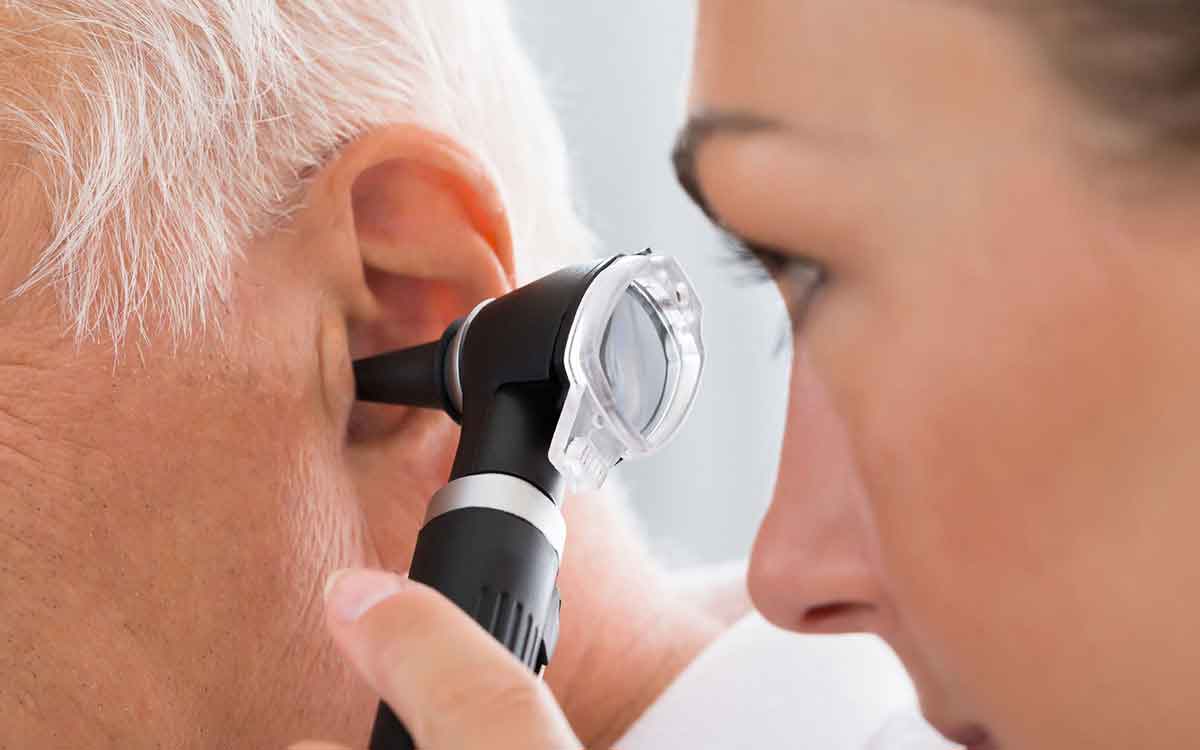
Hearing loss often develops gradually, making it easy to miss during the preliminary stages. Numerous individuals compensate subconsciously by raising the decibels on the television, requesting frequent repetitions, or withdrawing from loud settings.
Nevertheless, recognizing the early symptoms of auditory impairment is fundamental for effective intervention.
Common Symptoms of Early Hearing Loss
If you identify any of these early warnings, consider arranging a professional hearing assessment to determine your status.
- Impaired speech discrimination during social interactions in loud or crowded environments.
- A regular need of requesting clarification during conversation.
- Muffled or blurred vocalizations, making it difficult to distinguish specific sounds.
- Setting increased decibel settings for media beyond the comfort of family members.
- Decreased perception of high-frequency acoustic signals like children’s speech or household alerts.
- Auditory sensations such as ringing, buzzing, or humming, known as tinnitus.
- Mental drain after social events caused by persistent listening effort.
- Retreating from communal environments since following speech becomes difficult.
These early signs of hearing loss can affect either ear and can be intermittent at first. Since the auditory cortex adapts to changes, subconscious adjustments often go unnoticed until clinical hearing loss is evident.
Hearing Loss By The Numbers
According to the World Health Organization, more than 700 million people will require hearing rehabilitation by 2050. Other relevant statistics consist of:
- By 2050, approximately 2.5 billion people are expected to have some degree of hearing loss.
- More than five percent of the global community (roughly 430 million people) requires rehabilitation to manage disabling hearing loss.
- More than 1 billion younger individuals are at risk of permanent hearing loss due to unsafe listening practices.
- Among those aged 60 and older, over 25% have disabling hearing loss.
Why Timely Auditory Assessment Matters
If left untreated, hearing loss can influence various aspects of your health beyond simple communication.
Clinical research has linked hearing loss with higher incidences of social isolation, depression, impairment, and equilibrium problems.
Identifying symptoms early on ensures optimal results and diverse management strategies.
An evaluation distinguishes between age-related decline, earwax blockage, or underlying infections.
In some cases, hearing changes are temporary and treatable.
In addition, utilizing protective measures or hearing technology early can slow the progression of hearing loss.
When to See a Hearing Specialist
It is advisable to get a consultation from an audiologist if:
- Auditory symptoms remain present for a duration exceeding a few weeks.
- Auditory trouble starts to impact work or personal routines.
- Instances of acute hearing loss, vertigo, or persistent ringing require prompt evaluation.
Assessments for hearing are noninvasive procedures, offering deep insights regarding your physiological hearing status.
Contact our professional team today if you believe you would find value in a hearing evaluation.
Frequently Asked Questions: Recognizing Auditory Decline
Q: Are all auditory changes linked to getting older?
Answer: No. While common in seniors, hearing impairment can be caused by medications, loud noise, infections, or hereditary conditions.
Q: Can hearing loss be reversed?
Answer: Specific causes, including earwax blockage, may be susceptible to reversal through treatment. While other forms are irreversible, they can usually be managed with professional treatment or hearing technology.
Question: What is the recommended frequency for hearing screenings?
Answer: It is recommended that adults obtain a baseline assessment by age 50, with earlier testing for those with specific risk factors.
