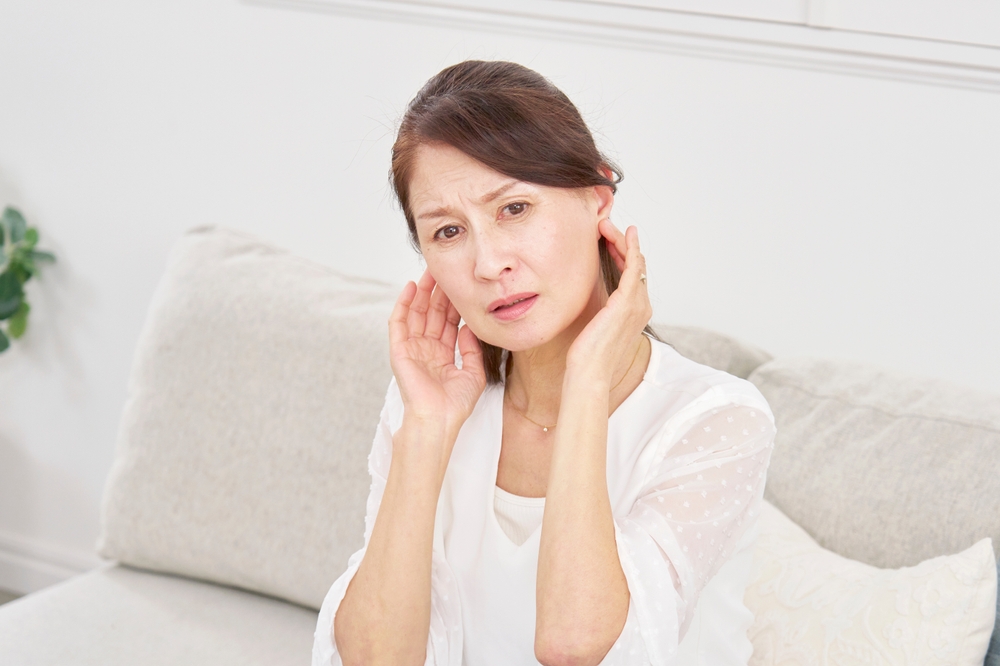
Waking up at the start of the day and realizing you have lost your hearing is a frightening experience for anyone. Sudden hearing loss feels sharp and confusing, especially when it occurs without prior pain or signal. Certain underlying issues can be transient, yet most forms of sudden loss require an immediate response.
Learning why hearing drops suddenly and prioritizing immediate care is imperative for long-term health. In the following sections, we analyze the nature of abrupt hearing loss, its likely origins, and the requirements for professional consultation.
What Is Sudden Hearing Loss?
Sudden hearing loss typically refers to a rapid decline in hearing that occurs within a few hours or up to three days. This impairment is usually unilateral, although it can present in both ears under specific circumstances. Symptoms can range from perceiving muffled noise to experiencing tinnitus, a sensation of aural fullness, or compromised speech recognition.
The Urgency of Sudden Sensorineural Hearing Loss (SSHL)
Sudden sensorineural hearing loss is one of the most urgent causes to evaluate.
The condition is caused by physical damage affecting the cochlea, hearing nerve, or neural pathways. The source is often idiopathic, though medical professionals identify several probable contributing elements:
- Decreased blood flow within the cochlea
- Heightened inflammation inside the auditory pathways
- Infection-based nerve disruption
- Complex neurological conditions
Since the window for effective treatment is so narrow, SSHL is treated as an urgent crisis where early care dictates the outcome.
Viruses and Inner Ear Health
Various viruses have the capacity to damage hearing permanently by causing inflammation in the hearing pathways.
The following viral conditions are frequently paired with sudden onset hearing issues:
- Standard upper respiratory infections
- Systemic flu-related inflammation
- The herpes family strains
- Secondary hearing effects following a COVID-19 infection
Abrupt deafness can align with viral symptoms, frequently appearing with vertigo or a feeling of fullness.
Hearing Loss Resulting from Physical Injury
Significant head trauma, abrupt pressure fluctuations, or noise-based shocks are known to damage the fragile components of the hearing system.
Common drivers of trauma-induced hearing loss involve:
- Traumatic brain injuries or concussions
- Abrupt shifts in ear canal pressure
- High-decibel acoustic trauma
- Physical displacement of inner ear fluids
Don’t dismiss minor trauma, as rapid hearing changes post-injury often signal underlying damage.
Impacted Cerumen and Hearing Blockage
While cerumen buildup is typically minor, a significant blockage can trigger an immediate shift in auditory clarity.
Cerumen-induced hearing loss may:
- Occur almost instantaneously
- Create a clear sensation of aural congestion
- Impact one ear more than the other
- Clear up following the safe extraction of the wax
It is essential to remember that home evaluation is insufficient for determining the true source of sudden deafness. Consequently, an expert audiology assessment is non-negotiable.
Additional Factors in Rapid Auditory Decline
The following conditions are also noted as potential sources of sudden hearing decline:
- Adverse effects from certain pharmaceuticals
- Blood flow conditions
- Systemic autoimmune attacks on the cochlea
- Acoustic neuromas or related rare tumors
A thorough hearing evaluation helps rule out these possibilities.
Why Acting Fast Matters for Sudden Hearing Changes
One of the most important messages around sudden hearing loss is don’t wait and see.
Seeking a rapid clinical assessment allows you to:
- Uncover treatable factors behind the hearing decline
- Increase the likelihood that treatment will recover hearing
- Protect against lasting damage to the hearing nerve
- Minimize the impact on your long-term ability to communicate
Audiology testing plays a key role in determining the type and severity of hearing loss and guiding next steps.
When to Seek Immediate Help for Sudden Hearing Loss
It is vital to get prompt medical or audiology care if you experience:
- An abrupt inability to hear properly in either ear
- A loss of hearing accompanied by vertigo or lack of coordination
- The rapid onset of tinnitus or aural fullness
- Diminished hearing immediately following an injury or sickness
Though your hearing may seem to recover slightly, a professional check-up is still vital for a full diagnosis.
Hearing Testing for Quick Answers
Audiological diagnostics are designed to quickly determine if the loss is:
- Related to mechanical blockages or conductive barriers
- Nerve-based (inner ear or nerve-related)
- Temporary or potentially permanent
Early testing supports faster treatment decisions and better outcomes.
Take Sudden Hearing Changes Seriously
It is normal to feel panicked by sudden deafness, but immediate professional help offers the best chance for success.
Choosing to get evaluated immediately after a change in hearing ensures you are taking the right steps for your future. If you are facing a hearing crisis, our office is here: Call us right away to schedule the urgent help you deserve.
